Compute Chips
China’s TPU Breakthrough: How Zhonghao Xinying Filled the Pure TPU Architecture Gap
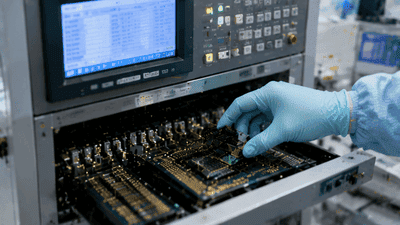
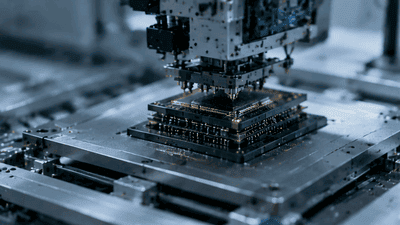
China’s AI chip industry is often discussed through GPUs and neural-processing units. Zhonghao Xinying offers another route: a processor designed around tensor computation, supported by its own instruction set and computing platform.

Hot Posts




The Three-Headed Race in Advanced Packaging: TSMC, Intel, and ASE
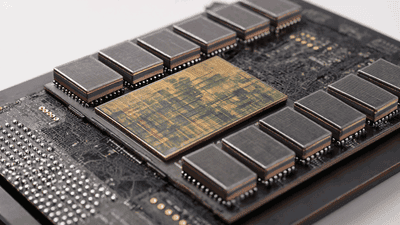
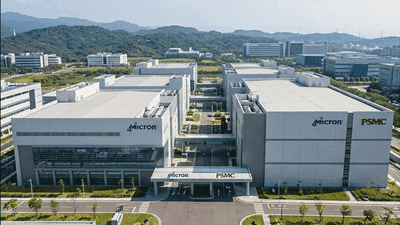
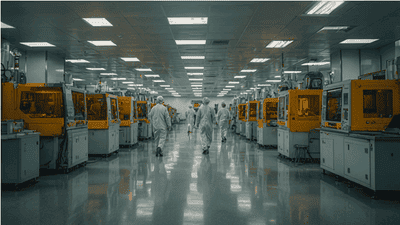
For years, chip conversations revolved around transistor nodes and wafer fabs. Today, the more interesting battles are often happening a few millimeters above the silicon, in the world of advanced packaging. As AI, high‑performance computing, and high‑bandwidth memory redefine what a “chip” looks like, three names stand out in the packaging race: TSMC, Intel, and ASE. Each comes from a different starting point, with different strengths and weaknesses, and together they’re reshaping how heterogeneous integration will be done for the next decade.